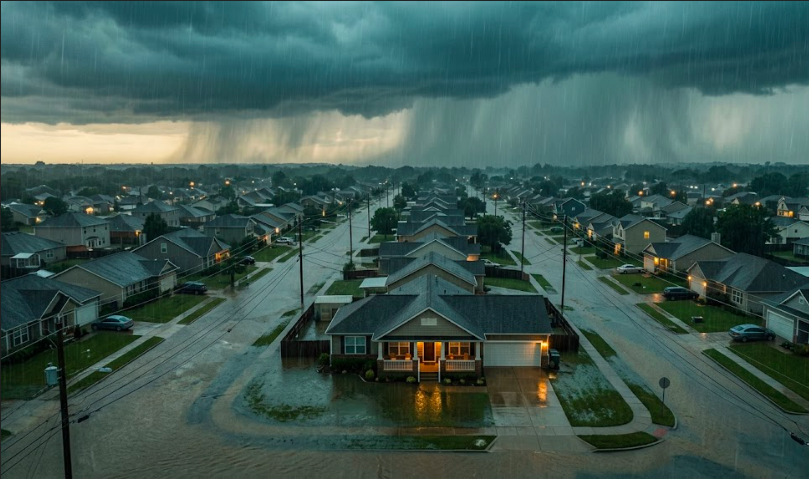
Atmospheric rivers don’t just hit the West Coast anymore. These sky-wide corridors of concentrated moisture capable of carrying more water vapor than 15 Mississippi Rivers are becoming an increasingly familiar threat for homeowners from California to Ohio. The May 2025 Mid-Atlantic floods, the catastrophic December 2025 Pacific Northwest event, and a series of back-to-back California deluges in 2024 all share the same culprit: atmospheric rivers making landfall with unprecedented intensity.
If you own a home anywhere in the continental United States, understanding this weather phenomenon — and knowing exactly how to prepare for it and recover from it is no longer optional. This guide walks you through everything: what atmospheric rivers are, how to gauge their severity, what to do before one arrives, how to protect your home during one, and the critical steps to take in the aftermath to prevent lasting structural damage, mold growth, and financial ruin.
What Is an Atmospheric River? The Science Every Homeowner Should Know
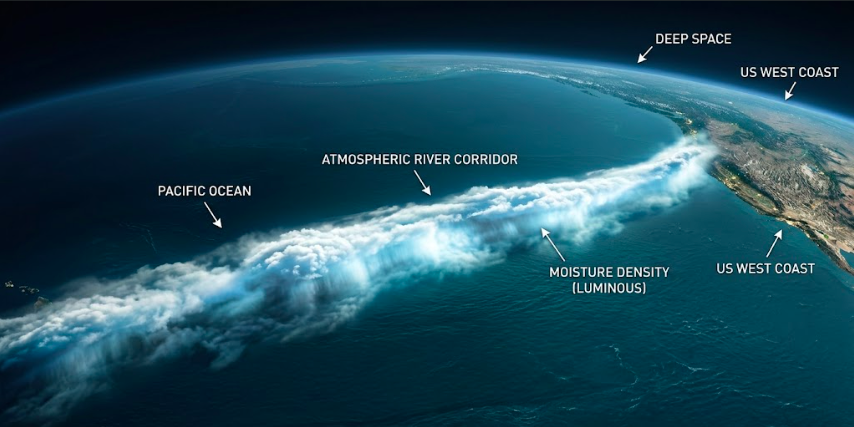
Think of an atmospheric river as a fire hose in the sky. According to NOAA, atmospheric rivers are relatively long, narrow regions in the atmosphere that transport most of the water vapor outside of the tropics like rivers in the sky. The average atmospheric river carries water vapor roughly equivalent to the average flow at the mouth of the Mississippi River. The strongest ones can transport up to 15 times that amount.
These systems typically measure 250 to 375 miles wide and can stretch over 1,000 miles long. When they stall over a region especially near mountain ranges that force moisture upward the results can be catastrophic. A well-known variant is the “Pineapple Express,” which pulls tropical moisture from near Hawaii across the Pacific and delivers it to the US West Coast.
What makes atmospheric rivers uniquely dangerous compared to standard storm systems is their combination of intensity and duration. A single strong event can drop 5 to 15 inches of rain across a watershed in 24 to 48 hours, overwhelming stormwater systems, river banks, and residential drainage infrastructure.
The AR Scale: Understanding Severity Like a Hurricane Scale
In 2019, scientists at the Scripps Institution of Oceanography at UC San Diego, in collaboration with the National Weather Service, introduced a 5-category rating scale for atmospheric rivers analogous to the Saffir-Simpson hurricane scale. The scale accounts for both water vapor intensity and duration over a location, because a weaker system that stalls for 48+ hours can be more damaging than a fast-moving strong one.
| Category | Classification | Primary Impact |
|---|---|---|
| AR 1 | Weak | Primarily beneficial rain |
| AR 2 | Moderate | Mostly beneficial, low hazard |
| AR 3 | Strong | Balance of beneficial and hazardous |
| AR 4 | Extreme | Mostly hazardous flooding risk |
| AR 5 | Exceptional | Catastrophic flooding, life-threatening |
When meteorologists issue an AR 4 or AR 5 watch for your region, treat it with the same urgency as a hurricane warning. These are the systems that breach levees, overwhelm stormwater networks, and leave thousands of homes damaged.
Are Atmospheric Rivers Only a West Coast Problem? Not Anymore.
This is one of the most dangerous misconceptions among US homeowners. While the West Coast particularly California, Oregon, and Washington bears the brunt of atmospheric river landfalls (an average of 24 per winter season), the moisture trails don’t stop at the Rockies.
When atmospheric rivers push inland, they interact with existing weather systems to produce extreme rainfall events far from the coast. The May 2025 flooding of the Mid-Atlantic along the Potomac River and its tributaries was triggered by a slow-moving atmospheric river that became trapped in the Southeast for days due to a blocking high-pressure system before surging northward.
For homeowners in the Midwest and Great Lakes region, including Ohio and surrounding states, the threat manifests differently but is no less real. Heavy inland precipitation from atmospheric river remnants, combined with already-saturated soil and aging stormwater infrastructure, produces the kind of flash flooding and basement inundation that costs homeowners tens of thousands of dollars in repair and remediation.
ClimateCheck data shows that approximately 13% of buildings in Akron, OH face significant flood risk and that risk is growing as extreme precipitation events become more frequent and intense. The Cuyahoga watershed, which flows through Summit County, has seen documented periods of dramatic flooding, and the August 2024 storm event in Akron resulted in the city identifying at least 60 homes requiring sanitization after sewer backups and surge flooding.
This is precisely why professional water damage restoration services like those provided by the team at Akron OH Water Damage are not a luxury but a necessity for homeowners who want to protect their most valuable asset.
Before the Storm: Your Atmospheric River Preparation Checklist
Preparation is the single highest-leverage action a homeowner can take. The difference between a manageable cleanup and a six-figure structural remediation project often comes down to what was done in the 48–72 hours before a major rain event and whether foundational flood-proofing measures were already in place.
72 Hours Out: Monitor and Activate
- Check your AR forecast. The National Weather Service now issues atmospheric river watches and advisories for West Coast states. For inland areas, track flood watches and excessive rainfall outlooks. NOAA’s Water Prediction Center provides 24/7 quantitative precipitation forecasts.
- Know your FEMA flood zone. If you are in a Zone AE, Zone A, or Zone AH on FEMA’s Flood Insurance Rate Maps, your property has a documented flood history and elevated risk.
- Review your insurance coverage. Standard homeowners insurance does not cover flood damage. Flood insurance through the National Flood Insurance Program (NFIP) requires a 30-day waiting period, so this is not a pre-storm solution but verifying your existing coverage now is critical.
48 Hours Out: Exterior Preparation
- Clear all gutters and downspouts of debris. A clogged gutter during a 3-inch-per-hour downpour will force water directly against your foundation.
- Inspect and extend downspout drainage at least 6 feet away from the foundation. Better yet, direct it into a French drain or away from the property entirely.
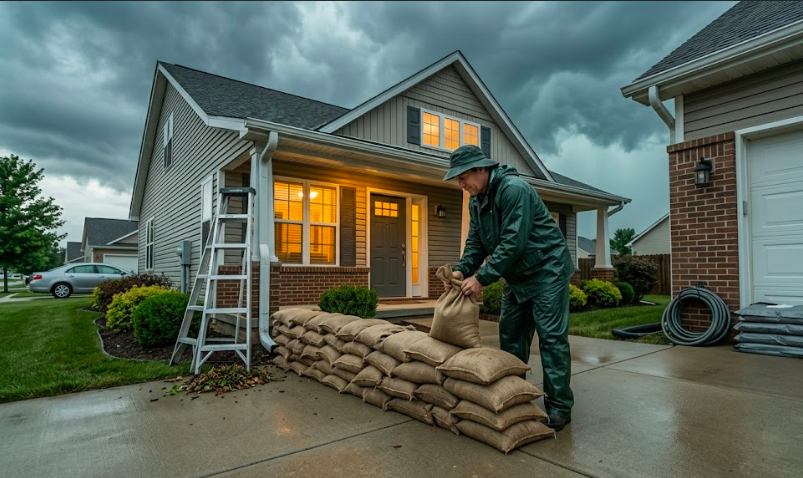
- Sandbag vulnerable entry points. Contact your local fire station or emergency management office many distribute free sandbags before major weather events. Focus on basement window wells, below-grade garage doors, and any entry point lower than your street grade.
- Photograph your entire property and interior contents for insurance documentation. Date-stamp everything.
- Seal basement windows and doors with hydraulic cement or waterproof sealant if you have the materials on hand.
- Move valuables, documents, and irreplaceable items to upper floors or elevated shelving.
24 Hours Out: Interior and Safety Preparation
- Shut off your sump pump inlet if flooding from sewage backup is anticipated. During heavy storms, municipal sewer systems can surcharge and push contaminated water backward into basement floor drains.
- Locate your main water shut-off and electrical panel. Know how to operate both quickly in the dark.
- Do not climb into an enclosed attic without a confirmed exterior escape route if flooding is expected.
- Prepare an emergency go-bag with documents (insurance cards, IDs, deed or lease), medications, a flashlight, and at least 3 days of supplies.
- Charge all devices and consider a portable power station for communications.
During the Event: What to Do (and What Never to Do)
When an atmospheric river is actively producing flooding in your area, your only priority is safety. Flood water moves faster and is more forceful than most people expect.
Never enter a flooded basement while electricity is on. Water and energized circuits are a lethal combination. Turn off the electrical breaker from a dry location before stepping foot in any standing water.
Never drive through flooded roads. According to FEMA, just 12 inches of fast-moving water can knock a person off their feet, and 2 feet can sweep away a car. “Turn Around, Don’t Drown” is not a suggestion it is the policy that saves lives.
Document everything in real time. Use your phone to photograph and video the water intrusion as it happens water level against walls, entry points, damage to belongings. This documentation is essential for insurance claims.
Monitor official channels only. When emergency managers issue evacuation orders, obey them. Do not return to a flooded home until officials confirm it is safe to do so.
After the Storm: The Critical 7-Day Restoration Window
The 72 hours immediately following a flood are the most consequential period for your home’s long-term structural health. Mold can begin colonizing wet porous materials drywall, insulation, wood framing, carpet padding in as little as 24 hours under the right conditions. What you do immediately after the water recedes determines whether you face a $3,000 cleanup or a $30,000 remediation.
Step 1: Safety Assessment Before Re-Entry
Before entering a flood-damaged home, complete this checklist:
- Confirm utilities (gas, electric, water) are shut off or confirmed safe by your utility provider
- Look for visible structural damage: sagging rooflines, shifted foundation, buckled floors, cracked walls
- Watch for signs of gas leaks (sulfur/rotten egg smell) do not use open flames or switches
- Wear rubber boots, gloves, and an N95 or P100 respirator before entering any area with standing water or visible mud floodwater contains sewage, bacteria, and chemical runoff
Step 2: Document All Damage Before Touching Anything
Before moving a single piece of furniture, create a comprehensive photographic and video record of every damaged area. This documentation is your primary leverage in an insurance claim. Include:
- Waterlines on walls with a measuring tape visible
- All damaged personal property (furniture, electronics, appliances)
- Visible mold or contamination
- Structural damage (warped floors, compromised walls)
Call your insurance company while standing in the damage not hours later. Ask specifically whether your policy covers water intrusion, sewer backup, and living expenses during remediation.
Step 3: Extract Standing Water Immediately
Every hour water sits in your home increases structural damage and mold risk exponentially. If you have 2 inches or less of standing water, wet/dry vacuums and mops can be effective for small areas. For anything above that or any standing water in a basement contact a professional water extraction company immediately.
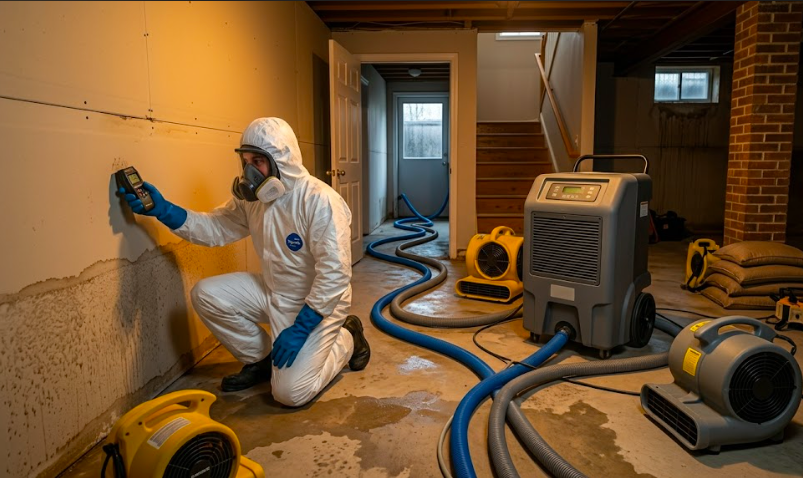
Professional restoration teams use truck-mounted extractors capable of removing thousands of gallons per hour, combined with industrial moisture meters to detect water that has wicked into wall cavities and subfloor assemblies that are invisible to the naked eye.
This is where professional intervention pays for itself. A team like Akron OH Water Damage uses thermal imaging cameras alongside moisture meters to identify hidden water pockets behind drywall and under flooring before they become mold colonies.
Step 4: Structural Drying The Most Overlooked Phase
Removing visible water is only the beginning. The real battle is with moisture that has been absorbed into building materials. Here is what is typically required for a properly dried structure:
- Industrial air movers (high-velocity fans) positioned to create circular airflow across wet surfaces
- Commercial-grade dehumidifiers running continuously to pull moisture from the air and materials (target indoor relative humidity of 45% or below)
- Desiccant dehumidifiers for below-grade spaces and areas where ambient temperatures are low
- Daily moisture readings to track drying progress IICRC S500 standards define specific moisture content thresholds that must be met before materials are considered dry
The typical structural drying process takes 3 to 5 days under optimal conditions with professional-grade equipment. DIY drying with box fans and consumer dehumidifiers consistently takes 3 to 4 times longer, during which mold growth is actively occurring.
Step 5: Contamination Classification and Sanitation
Atmospheric river flooding almost always involves what restoration professionals call Category 3 (Blackwater) contamination water that has contacted sewage systems, carried surface runoff with agricultural or industrial chemicals, or brought debris through lower entry points. This water is biologically hazardous.
Contaminated materials that cannot be adequately sanitized must be removed and disposed of. This typically includes:
- Carpet and carpet padding (almost always non-salvageable after blackwater exposure)
- Drywall that has absorbed contaminated water (typically cut 12–18 inches above the waterline)
- Non-structural insulation within walls
- Particleboard and OSB subfloor that has been submerged
Materials that can be salvaged must be treated with EPA-registered antimicrobial agents. Sanitize walls by working from top to bottom, using phosphate-free cleaners on all surfaces that contacted floodwater.
Step 6: Mold Inspection and Remediation
If more than 48 hours elapsed before drying began or if you discover visible mold growth professional mold remediation is required before reconstruction. Do not simply paint over mold or cover it with new drywall. This is both ineffective and a potential liability when you sell the property.
Signs that professional mold remediation is needed:
- Visible black, green, or white fuzzy growth on walls, ceilings, or framing
- Persistent musty odor that doesn’t clear after drying
- Residents experiencing new onset respiratory symptoms, headaches, or eye irritation
A certified mold remediation contractor look for IICRC Applied Microbial Remediation Technician (AMRT) certification will contain affected areas with negative-pressure enclosures, physically remove contaminated materials, HEPA-vacuum framing, apply antimicrobial treatment, and verify clearance with air sampling.
Step 7: Reconstruction and Long-Term Flood Mitigation
Once your home has been properly dried, sanitized, and cleared of mold, reconstruction can begin. This is also the optimal time to invest in flood mitigation upgrades that reduce your exposure in future events:
- Sump pump with battery backup the backup component is critical; most pumps fail during the power outages that accompany major storms
- Overhead sewer line eliminates basement sewer backup risk by rerouting your home’s drainage to a higher point in the municipal system
- Waterproof window well covers for below-grade windows
- Interior French drain system with perimeter drainage channel
- Foundation waterproofing membrane on exterior-exposed foundation walls
- Flood-resistant building materials for reconstruction: cement board instead of standard drywall in basement areas, pressure-treated lumber for bottom plates, moisture-resistant flooring
Flood Insurance: What Every Homeowner Must Understand
This is one of the most critical and most misunderstood aspects of flood preparedness.
Standard homeowners insurance does not cover flooding from external water sources. Period. This includes water that enters through doors, windows, or foundation cracks during a storm event, as well as river or stream overflow. The only exception is sudden and accidental discharge from interior plumbing burst pipes, appliance failures which is typically covered.
Flood coverage comes through two primary channels:
1. National Flood Insurance Program (NFIP): Federal flood insurance administered through FEMA. Available to homeowners in participating communities. Covers up to $250,000 for building structure and $100,000 for contents. Requires a 30-day waiting period before coverage becomes active so purchasing it the day before an atmospheric river watch is issued does nothing.
2. Private Flood Insurance: Many private carriers now offer flood policies with higher limits, broader coverage (including basement contents, living expenses, and sewer backup), and sometimes lower premiums than NFIP for lower-risk properties.
If you are in a designated Special Flood Hazard Area (SFHA) and carry a federally-backed mortgage, flood insurance is legally mandatory. But even homeowners outside high-risk zones should strongly consider coverage approximately 25% of flood insurance claims come from properties in moderate-to-low-risk zones.
The Long-Term Picture: Atmospheric Rivers and a Changing Climate
The scientific consensus is clear: atmospheric rivers are intensifying. As ocean surface temperatures rise, atmospheric rivers can carry more moisture and the most extreme events, AR 4s and AR 5s, are becoming both more frequent and more damaging.
The 2024 and 2025 California and Pacific Northwest events were not anomalies. They were data points in a trend. Communities from the Pacific Coast to the Great Lakes are facing a new baseline of flood risk that existing infrastructure storm sewers designed for 10-year or 25-year rainfall events was not built to handle.
For homeowners, this means flood preparedness is a permanent feature of responsible home ownership, not a one-time response to a dramatic news cycle. The homes that survive repeated extreme weather events intact are those whose owners invested in understanding the risk, preparing proactively, and responding correctly in the critical hours after a flood.
When to Call a Professional Water Damage Restoration Company
Some homeowners try to manage flood cleanup themselves and for truly minor events (a small appliance leak, a brief window of surface water with no structural penetration), that can be reasonable. But for any flooding involving:
- More than 1 inch of standing water in living spaces
- Any standing water in a basement
- Water that has been present for more than 12 hours
- Any suspected sewage or gray water contamination
- Visible damage to drywall, flooring, or structural elements
…the calculus changes decisively in favor of professional intervention. The cost of professional restoration is almost always significantly less than the cost of mold remediation and reconstruction that results from inadequate DIY drying.
Certified water damage restoration professionals bring IICRC-trained technicians, commercial-grade extraction and drying equipment, moisture monitoring protocols, and experience navigating insurance documentation all of which directly improve your outcome and reduce your total recovery cost.
If you’re in the Akron, Ohio area and have experienced flooding of any kind, the team at Akron OH Water Damage provides 24/7 emergency response for water extraction, structural drying, mold remediation, and complete flood restoration services. Summit County homeowners can rely on local experts who understand the specific drainage challenges, soil conditions, and infrastructure limitations that make Akron properties uniquely vulnerable after major rain events.
Quick Reference: Atmospheric River Flood Response Timeline
| Time Frame | Priority Actions |
|---|---|
| 72 hrs before | Monitor NWS forecasts, review insurance, gather supplies |
| 48 hrs before | Clear gutters, sandbag entries, photograph property |
| 24 hrs before | Elevate valuables, locate shutoffs, charge devices |
| During event | Safety only document, monitor, evacuate if ordered |
| 0–6 hrs after | Safety assessment, document damage, call insurance |
| 6–24 hrs after | Begin water extraction, contact restoration company |
| 24–72 hrs after | Structural drying begins, contaminated materials removed |
| Day 3–7 | Continue drying monitoring, mold inspection |
| Week 2+ | Reconstruction, flood mitigation upgrades |
Final Thoughts
An atmospheric river doesn’t give you much warning. What it does give you is the opportunity to be prepared with the knowledge of what you’re facing, the supplies to reduce initial damage, and the contacts to call the moment the water starts to recede.
Whether you’re in California bracing for a Pineapple Express or in Ohio watching the Cuyahoga creep upward after days of relentless rain, the principles in this guide apply equally. Flooding doesn’t have to mean catastrophic loss. With the right preparation and the right professional response, it becomes a recoverable event.
For homeowners in the Akron and Summit County area, bookmark the resources below and save the number of a trusted local restoration company before you need it because when an atmospheric river is overhead, that’s not the time to be searching.
Authoritative External Resources:
- NOAA – What Are Atmospheric Rivers? — The definitive government resource for understanding AR science, forecasting, and national impact data.
- FEMA National Flood Insurance Program — Official resource for flood insurance enrollment, coverage details, and SFHA flood zone lookup.
- Scripps Institution of Oceanography – Center for Western Water and Weather Extremes — The research center that developed the AR scale, with real-time AR monitoring tools and forecast data.
Experiencing water damage in Hollywood, CA ? Contact Water Damage Restoration Hollywood for 24/7 emergency flood restoration, water extraction, and mold remediation services from a team that knows Northeast Ohio’s flood challenges firsthand.
Leave a Reply